NEW HILIC Honey Sugar Profiling – novel approach to detect purified syrups in honey
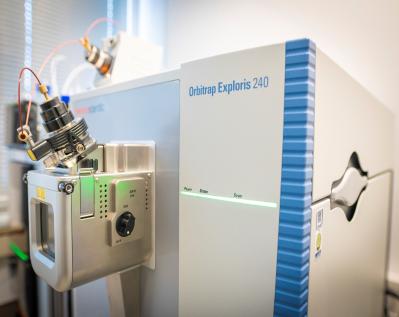
QSI introduces an advanced fingerprint-based analytical approach to detect modern, highly purified syrups in honey – even in cases where conventional testing reaches its limits.
The increasing sophistication of honey adulteration is challenging established analytical approaches worldwide. Highly purified syrups are specifically designed to mimic natural honey composition and to bypass conventional testing strategies. This creates significant risks for food manufacturers, retailers, and regulatory authorities who rely on robust analytical verification.
With the introduction of QSI HILIC Honey Sugar Profiling, Quality Services International GmbH presents a fundamentally new analytical strategy for honey authenticity testing.
From marker detection to fingerprint analysis
Traditional analytical approaches focus on the detection of individual marker compounds from sugar syrups. However, these markers can be selectively removed during modern purification processes, reducing their effectiveness in detecting advanced adulteration. QSI’s HILIC-based approach analyzes the complete sugar profile of honey and, using machine learning and QSI’s extensive database, enables the identification of even subtle deviations from authentic honey profiles caused by the addition of refined beet sugar and rice syrups.
The method was developed over a period of more than two years and is based on a comprehensive collection of global reference honey samples and more than 120 modern, purified beet sugar and rice syrups. These were tested in various mixing ratios to ensure robust detection capabilities under current market conditions.
Since November 2025, more than 2,000 honey samples have been analyzed under routine conditions using the HILIC method. The results demonstrate very high sensitivity in the detection of foreign sugars, even for honeys from high-risk origins, where methods such as Bruker NMR or HRMS reach their detection limits due to the absence of syrup markers. To date, the method has not produced any false-positive results.
Machine learning identifies hidden adulteration
Machine learning models compare measured sugar patterns with the QSI reference database to detect foreign sugar signatures.
This enables reliable detection of purified beet syrups, rice syrups and modern adulteration strategies.
Key advantages at a glance
• Reliable detection of complex and emerging adulteration patterns
• Increased robustness compared to marker-dependent approaches
• Validated through extensive real-world sample analysis
• Strong analytical performance with no false positives observed
• Supports a comprehensive, multi-method authenticity strategy
QSI emphasizes that no single analytical method can fully address the complexity of modern honey adulteration. For the highest level of confidence, a combination of complementary analytical approaches is recommended. By integrating different analytical perspectives, both known and previously undetectable adulteration strategies can be addressed.
This combined approach provides customers with the highest possible level of protection against adulteration.
Expert Insight
“The new test is forward-looking and highly innovative. No honey laboratory has ever taken such an approach before. And the test cannot be easily circumvented by fraudsters who purify syrups to evade classic marker-based HRMS methods, making it future-proof against new generations of adulteration syrups from beet and rice.”
Martin Linkogel (Business Manager Bee Products)
With this development, QSI aims to provide a significant benefit to its customers, supporting them in safeguarding product integrity and making confident decisions in an increasingly complex market environment.
For further information, please contact our Customer Service Team:
E: customerservice.qsi@tentamus.com